
ADS Enviro Knowledge Hub
BLOGS
Sustainability insights, compliance guides, and circular economy playbooks
The Impact of Extended Producer Responsibility (EPR) on E-Waste

Plastic pollution is harming our planet, oceans, and wildlife at an alarming rate. With growing waste and limited recycling, urgent action is necessary. Reducing single-use plastic can protect nature, support sustainability, and create a cleaner, healthier future for everyone globally.
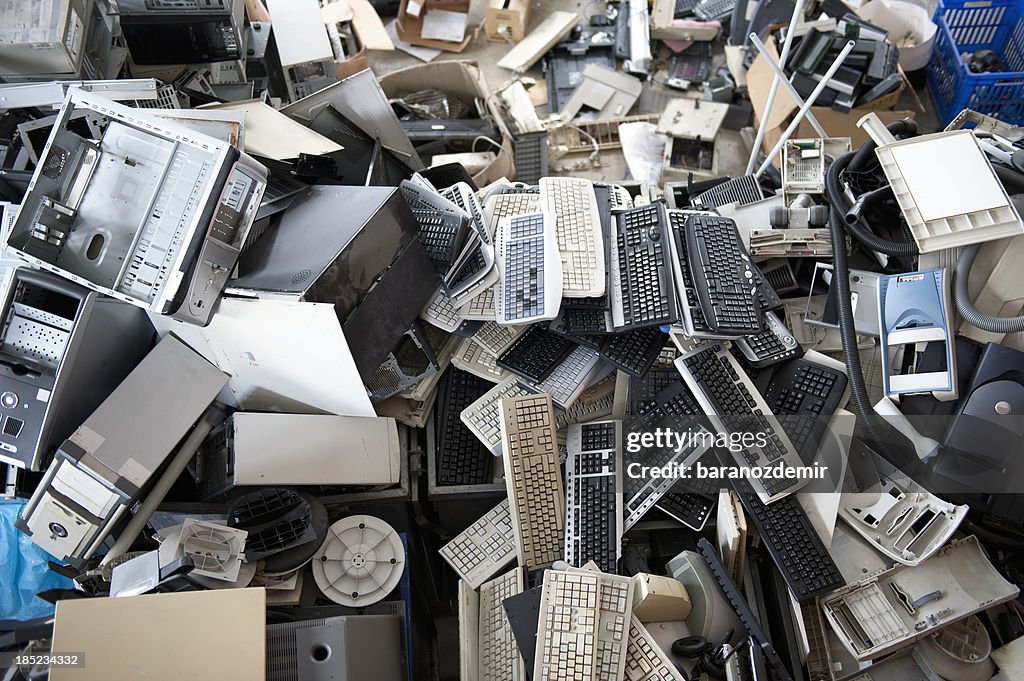
Electronic waste is one of the fastest-growing waste streams in the world. With increasing use of mobiles, computers, and home appliances, proper disposal of electronics has become a global challenge. One important step in safe e-waste management is dismantling .
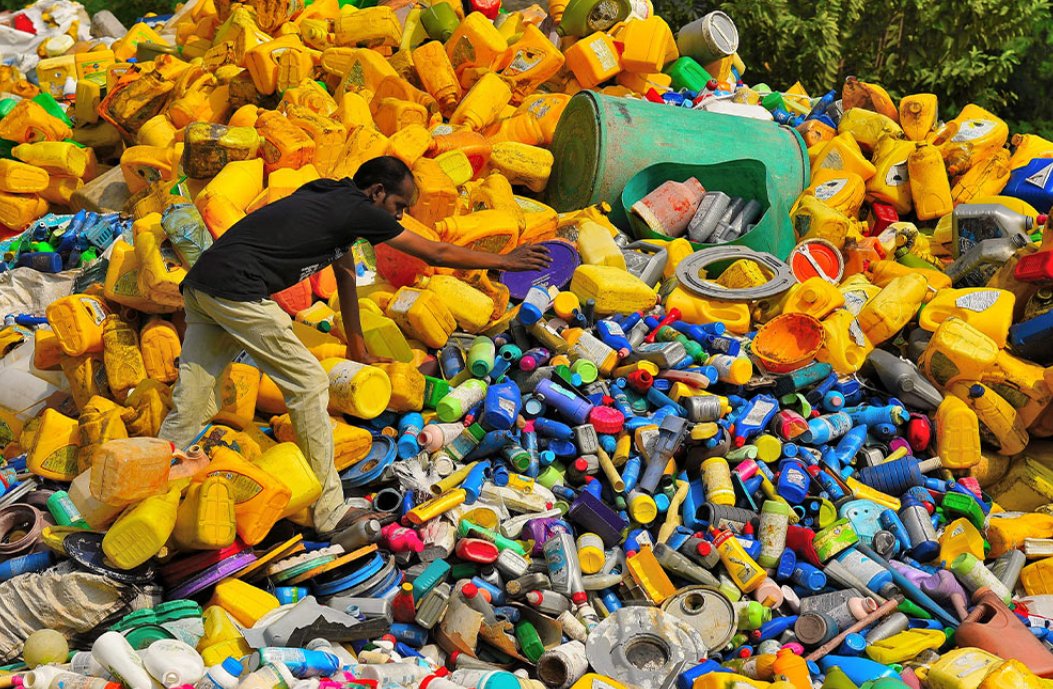
Check the latest 1 kg plastic rate in India for PET, HDPE, LDPE & PP. Updated plastic scrap prices, factors affecting rates & recycling tips.
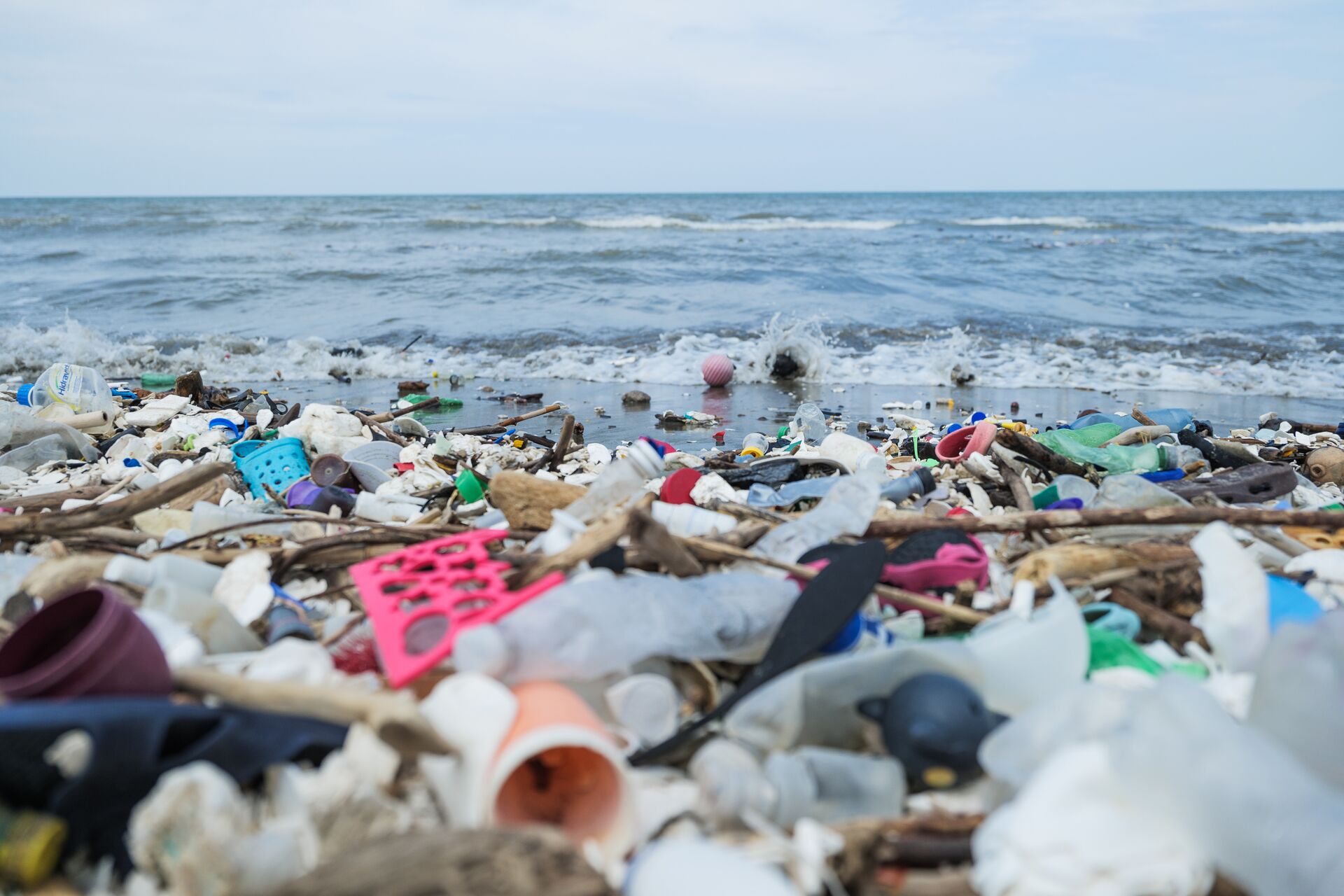
Plastic has transformed modern life, but mismanaged plastic waste has become one of the greatest environmental challenges of our time. Landfills are overflowing, oceans are choking, and ecosystems are under threat.

Proper e-waste recycling protects the environment by preventing toxic chemicals from polluting soil and water, conserving natural resources through material recovery, reducing greenhouse gas emissions, It supports sustainability, saves energy, and promotes a cleaner, ecosystem for future generations .

E-waste is electronic products that are unwanted, not working, and nearing or at the end of their “useful life.” Computers, televisions, VCRs, stereos, copiers, and fax machines are everyday electronic products.

The Aravalli Hills, among the world’s oldest ranges, maintain India’s ecological balance across Rajasthan, Haryana, and Delhi-NCR. They prevent desertification, reduce air pollution, and support biodiversity, but rapid urbanization, illegal mining, industrial waste, and improper disposal now threaten this ecosystem.